
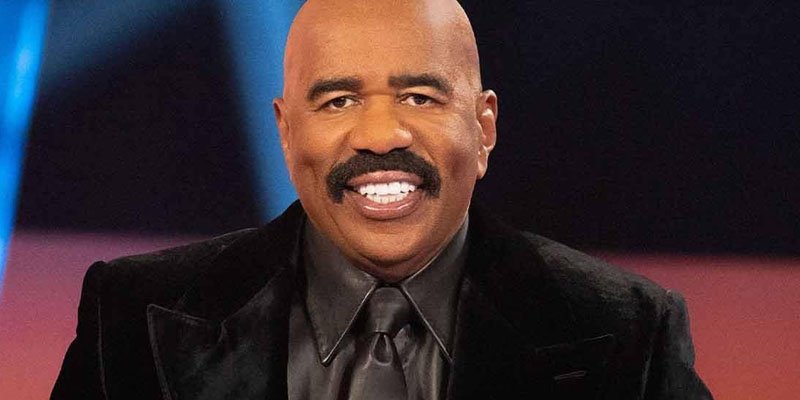
How Fake Steve Harvey Rumors Spread Online and Led to a CBD Scam
Rumors about celebrities and other public figures can spread across social media remarkably quickly, especially when they are presented in a sensational or emotional way. A recent example involving television personality Steve Harvey shows how misleading advertisements can combine a false celebrity story with a fraudulent product endorsement.
In early May 2024, a paid Facebook advertisement began circulating a false claim that Steve Harvey had been fired as the host of Family Feud after nearly 14 years on the program. The advertisement used an alarming headline that claimed, “Tensions Erupt After His On-Air Slip-Up,” followed by another claim stating, “Steve Harvey Abruptly Fired From ‘Family Feud.’”
The claims were false. Harvey had not been fired from Family Feud, and there was no credible evidence that Oprah Winfrey had recently spoken with him about an incident that supposedly led to his dismissal.
The misleading advertisement was more than just a false celebrity rumor. It was also part of a scam designed to promote a product called Canna Labs CBD Gummies. The advertisement falsely suggested that Harvey had personally endorsed the product and claimed that the gummies had helped him with a personal health issue. In reality, Harvey had not publicly endorsed the product or claimed that CBD gummies were an effective solution.
A Fake CNN Story Was Used to Make the Claim Look Real
People who clicked on the Facebook advertisement were redirected to a fraudulent website that attempted to look like a CNN news article. The page appeared on the domain pastadibern.pro, rather than CNN’s official website, cnn.com.
The fabricated headline claimed:
“Steve Harvey Fired from ‘Family Feud’ After Shocking On-Air Confession to Oprah Winfrey.”
Using the name and appearance of a respected news organization can make a fabricated story seem more believable to readers who do not carefully examine the website address.
The fake article also included what appeared to be a post from Harvey’s X account, using the username @IAmSteveHarvey. However, the post was not actually published on Harvey’s genuine account. It was another fabricated element designed to make the story appear authentic.
The Story Invented an On-Air Controversy
The fake article claimed that Harvey had been dismissed by ABC following an inappropriate discussion during an interview with Oprah Winfrey. It presented supposed statements from ABC Entertainment executive Chris Dungey and claimed that Harvey was shocked and blindsided by his departure from Family Feud.
The fabricated story then described an alleged conversation between Harvey and Winfrey involving a personal medical issue. It falsely suggested that Harvey had discussed the subject on television and that Winfrey had criticized him for doing so.
The article eventually connected the fictional conversation to Canna Labs CBD Gummies, falsely presenting the product as something Harvey had used and recommended.
These details were invented to create a convincing-looking celebrity endorsement. By combining a familiar television personality, another famous public figure, a supposed television controversy, and a health-related product, the scam was designed to attract attention and encourage readers to click through.
Fake Celebrity Endorsements Are a Common Scam Tactic
Celebrity names are frequently used in deceptive online advertisements because people may be more likely to trust a product when they believe a well-known personality supports it.
In this case, the scam attempted to create the impression that Steve Harvey had personally discovered and recommended Canna Labs CBD Gummies. However, there was no genuine endorsement from Harvey.
Searching for information about the product also produced numerous suspicious pages and videos rather than reliable evidence of a legitimate celebrity endorsement. The use of fabricated news stories, fake social-media posts, and misleading advertisements is a common strategy in online scams.
Why These Rumors Can Be So Convincing
False celebrity stories often succeed because they contain elements that appear familiar. A reader may recognize the celebrity, the television program, and the news organization mentioned in the story. When these familiar names are combined with dramatic headlines and supposedly exclusive information, the story can appear legitimate at first glance.
Another problem is that social media advertisements can reach large audiences quickly. People may share or click on a story before checking whether the information comes from a legitimate source.
The use of fake websites makes the situation even more confusing. A fraudulent page can copy the appearance, logos, headlines, and formatting of a genuine news organization while publishing completely fabricated information.
The Steve Harvey Rumor Was Not New
The false claims connecting Steve Harvey to CBD products were not an isolated incident. Similar celebrity endorsement scams have circulated online for years, often using well-known television personalities and celebrities to promote questionable products.
Fact-checking organizations, including Snopes, have previously investigated similar claims involving Harvey and other public figures. Other scams have also falsely associated celebrities such as Oprah Winfrey and former Jeopardy! host Mayim Bialik with products or endorsements they never actually supported.
This pattern demonstrates why readers should be particularly cautious when a celebrity supposedly endorses a health or wellness product through an unexpected advertisement.
How to Spot a Fake Celebrity Story
There are several simple steps readers can take before believing or sharing a sensational celebrity story:
- Check the website address. A story claiming to come from CNN, for example, should be checked against CNN’s actual domain.
- Look for independent reporting. Major celebrity news involving a television program would normally be reported by multiple established outlets.
- Check the celebrity’s official social-media accounts. A screenshot of a supposed post is not proof that the post actually exists.
- Be cautious about health-product endorsements. Claims that a celebrity discovered a miracle product should be independently verified.
- Watch for sensational headlines. Phrases involving shocking confessions, sudden firings, or secret discoveries are often used to attract clicks.
- Don’t rely on screenshots alone. Images of supposed news articles and social-media posts can easily be fabricated.
- Search for fact checks. If a story seems unusually dramatic, searching the main claim along with terms such as “fact check” or “scam” can reveal whether it has already been investigated.
The Importance of Verifying Celebrity News
The Steve Harvey Family Feud rumor demonstrates how misinformation can be combined with advertising and online scams. What initially appears to be a celebrity news story may actually be designed to sell a product or collect information from people who click on the advertisement.
The most effective way to avoid falling for these claims is to pause before sharing or purchasing anything. Checking the original source, examining the website address, looking for independent reporting, and verifying celebrity endorsements can help distinguish genuine news from fabricated content.
Ultimately, rumors about public figures can spread much faster than facts, particularly when they involve dramatic claims and recognizable celebrities. The Steve Harvey story shows how easily a fabricated news report can be turned into a vehicle for a misleading product promotion. Taking a moment to verify information through trusted and independent sources remains one of the simplest ways to prevent misinformation from spreading.




