
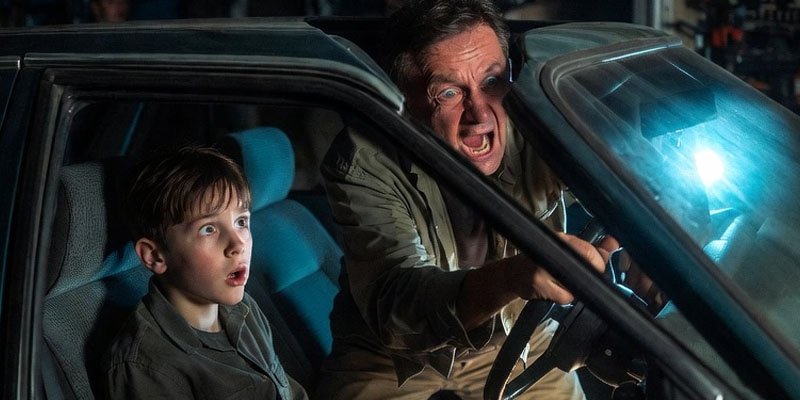
The coffee was still hot when I poured it that morning. Steam drifted up in slow lines, catching the pale light coming through the kitchen window. Outside, I watched my wife Melissa load the last of her luggage into the back of her SUV. She had been planning that wellness retreat in Napa for weeks, color-coded packing lists, confirmations printed and stacked on the counter, the kind of preparation that felt more like a deployment than a vacation.
2 weeks isn’t that long, I’d said the night before. She gave me that careful smile, the one that showed her teeth, but not much else. You have no idea how exhausting it’s been dealing with everything here, she said. Everything here. That’s what she called our son now. Not Aaron, not our boy, just everything. I didn’t argue.
I rarely did anymore. In the years since Aaron’s accident, I had learned that pushing back only made the house colder. So, I nodded, rinsed my cup, and let the conversation end where she wanted it to. Her engine started. She didn’t come back inside to say goodbye. No wave, no quick hug. The SUV backed out of our quiet culde-sac and Tacoma a little faster than usual, tires brushing the curb as she turned.
I stood at the sink a few seconds longer than necessary. 14 days, I thought. Just me and Aaron. No medication schedules taped to the refrigerator. No spreadsheets on the dining table. No quiet corrections when I asked the wrong question. I took a sip of coffee. It tasted slightly bitter. I assumed I’d measured the grounds wrong. Upstairs, the house was still.
Aaron was supposed to be asleep. His hospital bed had rails and a low motor that hummed faintly at night. The wheelchair by his desk had cost more than my first car. The bathroom remodel had taken 6 weeks. The doctors had said his spinal cord injury was permanent. That was 5 years ago. 5 years of therapy appointments.
5 years of watching my son try to move legs that wouldn’t respond. 5 years of Melissa handling every prescription, every dosage, every conversation with specialists. I was rinsing the mug when I heard footsteps. Not the uneven shuffle I had memorized. Not the sound of a chair rolling. Actual footsteps. steady, unhurried, coming down the stairs.
The mug slipped from my hand and shattered against the tile. I turned slowly. Aaron stood at the bottom of the staircase, upright, balanced, breathing fast, but steady. He wasn’t leaning on the wall. He wasn’t bracing himself. He was standing. For a moment, I thought I was still half asleep. My mind tried to find a reasonable explanation.
A therapy breakthrough, a brace, a miracle. Then he walked toward me. Not a shuffle, not a wobble. Walking. “Dad,” he said quietly. And there was something in his voice I hadn’t heard in years. “We need to leave right now.” I stared at him. My brain was still trying to catch up with my eyes. “Aaron, what? There’s no time.
” He grabbed my wrist. His grip was firm, stronger than I remembered. She thinks I’m still asleep. They’re coming. The word they settled in my chest. Who’s coming? He looked toward the front door. She said they’d arrive after she left. The house felt different all at once. Quieter, but not peaceful.
The kind of quiet that listens back. Aaron’s face was pale but steady. Not panicked, focused. I’ve been pretending, he said. For 3 years. I blinked. pretending what? That I couldn’t walk. Outside, an engine turned onto our street. Not a neighbor. The sound was heavier, slower. Aaron tightened his grip on my arm.
Please, he said, just trust me. Get your keys. And for reasons I still can’t fully explain, I did. I didn’t argue. I didn’t ask for proof. I didn’t demand logic. I grabbed my keys from the small ceramic dish by the door. And then I waited for him to say what came next. The engine outside idled for a few seconds longer than it should have. Aaron didn’t hesitate.
He moved past me toward the garage, steady on his feet, no sign of weakness in his stride. I followed him without thinking, keys in my hand, heart working harder than usual. Dad, he said, keeping his voice low. Don’t open the front door. Garage only. That was the moment something inside me shifted. Not panic, not anger, clarity.
I pressed the garage remote and waited for the door to rise. It felt slower than usual. The motor groaned. Morning light filtered in a thin strip across the concrete. A dark van rolled slowly past the end of our driveway. Not stopping, not parking, just passing. Aaron watched it carefully. They’ll circle, he said.
Who is they? I asked quietly. He looked at me and for the first time since he’d stood up, I saw the boy underneath the focus. Mom’s friends, he said. Grandma’s friends. My mother-in-law lived three states away. She rarely visited. When she did, she stayed in hotels. I backed the car out calmly. No screeching tires, no sudden moves.
The van reached the corner and disappeared from view. We drove in silence for two blocks. Then Aaron said, “Take the next right, then go toward the old marina.” He wasn’t guessing. He was directing. I followed his instructions. The marina parking lot was mostly empty that early. A few fishermen unloading gear, the smell of salt and diesel in the air, gulls overhead, normal sounds.
I parked near the far edge, facing the water. I turned to him. “Start talking.” Aaron took a breath. He didn’t cry. He didn’t rush. I started getting better about 3 years ago, he said. My legs, I could move them again. Not a lot at first, just small things. My throat tightened, but I stayed quiet. I told Mom, he continued.
She didn’t smile. She didn’t call the doctor. She told me I was imagining it. He paused. Then my medication changed. The breeze moved across the windshield. Somewhere, a boat motor started. What do you mean? I asked. I started feeling weak again, dizzy. My hands shook. My legs stopped responding like before.
He looked down at his hands now, steady in his lap. So, one night, I didn’t swallow the pills. I hid them. He reached into the pocket of his hoodie and pulled out a small plastic bag. Inside were crushed tablets, a few capsules. “I kept them,” he said. My stomach felt hollow. “You’re saying she? I’m saying I tested it.
” He said it calmly. I skipped doses. I felt stronger. I took them again. I felt worse. I leaned back slowly in my seat. The bitterness in the coffee. The fog I blamed on stress. The exhaustion that never fully lifted. Aaron looked at me carefully. Dad, have you noticed you’ve been more tired the last few years? I didn’t answer right away because I had.
I’d blamed age, work, caregiver burnout. I don’t handle your medication, I said quietly. He nodded. I know that landed harder than anything else. She handles everything, he said. Your refills, your vitamins, your supplements. She makes your coffee every morning. The marina felt suddenly too open, too exposed. I turned the car off.
Why didn’t you tell me? I asked. His jaw tightened slightly. Because I wasn’t sure at first, and when I was sure, I was eight. He looked straight ahead. Who would believe an 8-year-old who suddenly says his mom is poisoning him? I didn’t have an answer. And she watches you, he continued.
All the time she checks your phone, your email. She reads your mail before you see it. That part I had noticed. small things, open envelopes, conversations she seemed to already know about. I’d brushed them off. I took a slow breath. Okay, I said. What else? Aaron reached into his backpack on the floor and pulled out a thin black folder.
Inside were printed emails, screenshots, bank statements. I’ve been collecting things, he said, for years. The gulls cried overhead. He handed me one sheet, an insurance policy, my name on it, large coverage amount, beneficiary, Melissa Carter. Next page, Aaron’s policy. Beneficiary, Melissa Carter. I flipped another page. A home equity line of credit application I didn’t remember signing.
My signature looked like mine, but I didn’t remember the appointment. I closed the folder slowly. And the van? I asked. They’re contractors, he said. They’ve done work for grandma before. Work, he nodded once. House fires. The words settled between us. The Marina water lapped quietly against the dock. I heard her on the phone last week, he said.
She said they’ll both be asleep. Make it clean. He didn’t dramatize it. He just repeated it. And today, he added softly. She left early. I stared at the horizon. In that moment, I didn’t feel rage. I felt procedure. If this were true, emotion would only get in the way. If it wasn’t true, panic would destroy what little stability we had left.
So, I thought in steps. Step one, confirm evidence. Step two, secure safety. Step three, verify through third party. I looked at my son. He wasn’t trembling. He wasn’t hysterical. He was composed. too composed for a 13-year-old. “Do you have recordings?” I asked. He nodded. “Multiple.” I held out my hand. “Show me.” And he opened his laptop.
Aaron didn’t rush when he opened the laptop. He set it carefully on the center console, adjusted the brightness, and connected a small external drive. His hands were steady. That steadiness told me more than anything else. “I labeled everything by date,” he said. “Audio first.” He clicked a folder. The marina air was cool, the smell of salt drifting in through the cracked window.
Somewhere nearby, a flag rope tapped against a metal pole in a slow rhythm. Then the recording began. Melissa’s voice, clear, calm. No, he doesn’t notice anymore. He’s tired most of the time. It’s easier that way. A man’s voice answered lower, measured. And the boy, a pause. he won’t be an issue.
There was no anger in her tone, no stress, just administration. I closed my eyes for a second, then opened them again. Aaron clicked another file. This one was from 2 months ago. After the trip, it’s simpler if I’m out of town. The same male voice. We’ll need access. I’ll leave the side door unlocked. The recording ended. Aaron didn’t look at me.
He let the silence sit. I’ve spent most of my adult life reviewing architectural plans. When something doesn’t align, you don’t argue with it. You trace the measurements. You verify angles. You check signatures. That’s what I felt now. Not heartbreak. Verification. Where did you get these? I asked. My phone.
I leave it recording when she talks to them in the kitchen. She thinks I’m asleep upstairs. He opened another folder. Screenshots of text messages, unknown numbers, short confirmations, dates, times. One message from three nights ago. After you leave, midnight window, Melissa’s reply. Understood. I inhaled slowly.
Do you have proof about the medication? I asked. He nodded and pulled out another small pouch. I kept samples every time she switched brands or refilled. Inside were labeled envelopes, dates written in careful handwriting. I looked up the codes online, he said. Some match prescriptions, some don’t. He handed me my own pill bottle.
The label was correct. The pills inside were not the same color I remembered from a few years back. I stared at it longer than I meant to. You’ve been doing this alone? I asked quietly. Yes. There was no pride in his voice, just fact. I looked back toward the street entrance of the marina. The van hadn’t followed us.
That didn’t mean anything. Okay, I said. Aaron looked at me then, waiting. I believe you. His shoulders dropped slightly, just a fraction. But I didn’t move toward anger. I moved toward order. Here’s what we’re not going to do, I said calmly. We’re not confronting her. We’re not panicking and we’re not going back to that house until we know exactly what we’re dealing with. He nodded once.
Step one, I continued thinking out loud. We secure copies of everything, physical and digital. He already had three backups. I could see them in the folder structure. Step two, we confirm independently. Toxicology lab for the pills. quietly. I found one in Olympia that does private testing, he said. Cash accepted. Of course, he had.
Step three, I went on. We speak to someone outside local channels. He knew what I meant. His grandmother’s brother was a judge in Pierce County. I had met him twice. Polite, observant, too observant. Local police would not be my first call. Aaron closed the laptop slowly. There’s something else, he said.
He reached into the folder again and handed me a print out. A life insurance policy from 6 years ago. A previous husband. Melissa Carter had been married before. The name was Daniel Reeves. Cause of death, accidental house fire. Location, Eugene, Oregon, 7 years before she met me. I stared at the document. I never knew, I said.
She didn’t keep photos, Aaron replied. He watched me carefully like he was measuring how much I could handle at once. I looked at the marina water again. The light was stronger now. Late morning, people were launching boats. Normal voices, normal day. My life had just changed direction completely, and the world hadn’t noticed.
I put the insurance policy face down on the console. Is there anything else? I asked. Aaron hesitated. Yes. He turned the laptop back toward me and opened a live camera feed. Our house, the driveway camera, the sideyard, the back patio. Three men stood near the garage. One of them was testing the side door. I felt my pulse slow, not speed up.
Procedure step four, document in real time. Aaron adjusted the angle. They expected us to be inside, he said quietly. I watched the man check his watch. Then the side door opened and I realized this wasn’t theory anymore. I watched the three men enter my house. No rush, no hesitation. One of them carried a small black case.
Another wore work gloves already pulled tight. Aaron zoomed the camera feed slightly. They’ve done this before, he said. His voice was steady, but I could hear something underneath it now. Not fear, focus. I checked the timestamp in the corner of the screen. 10:18 a.m. They weren’t planning midnight, I said. No, he replied. They moved it up.
The side door closed behind them. I didn’t feel the urge to drive back. That surprised me. What I felt instead was the need to preserve evidence. Start screen recording, I said. He already had. Three small red indicators blinked in the corner of the laptop. Backup servers uploading in real time. I nodded once. Good.
The kitchen camera feed showed them walking through the house like contractors inspecting a job site. No searching for people, no checking bedrooms. They believed we were gone or they knew we weren’t inside. Either way, this was not a burglary. One of the men knelt near the breaker panel in the basement camera view. The black case opened.
I had designed electrical systems for commercial buildings. I knew what a controlled ignition device looked like. This was one. I reached into my jacket and pulled out my phone. Step one, call 911. No, too early. No confirmation of ignition. Step one, instead document license plate. Aaron switched to the driveway feed. The van sat at the curb.
He froze the frame and zoomed in. Clear plate number. Send that to yourself and me. I said he did. Step two. Outside authority with jurisdiction beyond local influence. There was one name I had stored for years, an old college friend who’d moved into federal fire investigations. We’d exchanged Christmas cards, nothing more.
I found his contact. Michael Torres. I didn’t call yet. On screen, the man in the basement adjusted a timer. Another walked into the living room and placed something behind the couch. I watched quietly. Aaron glanced at me. “You’re calm,” he said. “I’m thinking,” I replied. He nodded. Good. The men moved methodically.
No talking that the cameras could catch. They knew the layout. The hallway camera showed one of them paws near Aaron’s old bedroom door. He pushed it open slightly, looked inside. The hospital bed sat untouched. The wheelchair beside it. He laughed at something the other man said. I felt something tighten in my chest, but I kept my voice even.
They’re professionals, I said. Yes. The timer in the basement was set. They began walking back toward the side door. I looked at the clock on the dashboard. 10:27 a.m. If ignition was set for even 15 minutes, we had little time. Any audio from the kitchen? I asked. Aaron pulled it up. Muffled, but clear enough. Insurance already cleared.
Electrical looks plausible. She’s covered. She not a nickname, not code. Direct. The side door opened. The men exited calmly. The van door shut. Engine started. I lifted my phone. Step three. Call federal contact before ignition. I dialed Michael. He answered on the third ring. Michael, it’s Daniel Hayes. A brief pause. Recognition.
Dan, everything okay? No, I said calmly. I need you to listen without interrupting. and I laid out the facts. Men inside my home, ignition devices, prior insurance history, recorded audio, plate number, live feed. He didn’t speak for a moment when I finished. Stay where you are, he said finally. Do not go back.
Send me everything. I’m looping in ATF and FBI out of Seattle. This just crossed federal lines. I exhaled slowly. Good. Aaron watched me. What did he say? We wait. The van turned off our street on the camera feed. At 10:34 a.m., the basement camera flashed. A spark, then smoke. Small at first, controlled. Aaron’s fingers hovered over the keyboard. “Fire department?” he asked.
“Yes.” I dialed 911 and reported an active structure fire at my address. “I didn’t mention arson.” “Not yet.” The operator confirmed dispatch. We watched together. The smoke thickened. Flames crawled along the support beams. I felt strangely detached. That house had been our life for 7 years. It was now evidence. At 10:41 a.m.
, sirens appeared in the distance on camera. Fire trucks turned onto the street. Aaron looked at me. “You’re not going back.” It wasn’t a question. “No,” I said. “Silence is not weakness. Silence is strategy.” I put the phone face down and we waited. The house burned for 40 minutes. Not a dramatic collapse, not an explosion, just controlled destruction.
The fire department moved efficiently. Neighbors stood in clusters at the edge of the street. I could see Mrs. Talbot from two doors down, her robe wrapped tight, hand over her mouth. Aaron closed the laptop halfway. They’ll call mom, he said. They already have, I replied. Right on Q. My phone rang. Melissa.
I let it ring twice before answering. I didn’t raise my voice. I didn’t rush. Hello. Her breathing sounded slightly uneven. Daniel. The fire department just called me. What happened? Are you home? Is Aaron okay? Her tone was carefully balanced. Concern without panic. We’re safe, I said evenly. A pause. Where are you? at the marina.
Another pause, longer this time. Why would you be there? She asked softly. I leaned back in the seat. Fresh air, I said. Aaron watched me without speaking. You didn’t tell me you were leaving the house, she continued. You didn’t tell me you were sending contractors, I replied. Silence, a small intake of breath.
I don’t know what you’re implying. I’m not implying, I said calmly. I’m stating. Her voice shifted slightly firmer. This is not the time for accusations. You’re right, I agreed. It’s the time for documentation. She didn’t respond immediately. I could almost hear her recalculating. You sound tired, she said finally. You haven’t been sleeping well.
That sentence would have unsettled me a month ago. Not now. I won’t be returning to the house, I said. And neither will Aaron. You’re being irrational. No, I said quietly. I’m being procedural. Another silence. Then she tried a different angle. Daniel, you’re not thinking clearly. Aaron needs stability. He needs routine.
Aaron met my eyes when he heard that. He’s standing next to me, I said. The silence that followed was not rehearsed. It was real. I’m sorry, she asked. He’s standing, I repeated, on his own. Nothing. No immediate denial, no gasp, just silence. I don’t understand, she said carefully. You don’t need to, I replied. I kept my tone neutral, almost bored.
We have recordings, Melissa. Her breath shifted. Recordings of what? Everything. That was enough. She didn’t argue. She didn’t shout. Instead, her voice went very calm. Daniel, whatever you think you have, you’re misunderstanding. I don’t misunderstand ignition devices, I said. The word hung between us. There it was. Confirmation through reaction.
She didn’t ask what devices. She didn’t ask how I knew. She shifted again. This is dangerous territory, she said quietly. Yes, I agreed. for you. Another long pause. Then she spoke in a voice I had never heard before. Flat, controlled. You should have stayed out of it. I didn’t respond emotionally. I’m staying exactly where I am, I said.
And I’m not coming back. You don’t know who you’re dealing with. I looked at Aaron. I do now. I ended the call. I didn’t slam the phone down. I didn’t sigh. I put it face down on the dashboard. Then I waited. Aaron swallowed. She didn’t deny it, he said. No, I replied. That was the confrontation. Not loud, not explosive, just facts placed on the table.
5 minutes later, Michael Torres called back. They’re moving fast, he said. ATF confirmed accelerant residue. FBI is opening a joint investigation. Do not contact her again. I won’t, I said. Do you have the digital copies? Yes. Send everything now. Aaron began uploading encrypted files. I watched the Marina water shift with the tide. Something inside me settled.
This was no longer personal conflict. It was federal jurisdiction, and that changes the scale of things. 30 minutes later, two unmarked vehicles pulled into the marina lot. Three agents stepped out. They approached calmly. professional. No urgency in their walk. They already knew enough. One of them introduced himself.
Mr. Hayes, we’re going to need the devices. I handed him the laptop. Aaron handed over the physical pill samples. The agent nodded slightly when he saw the organization. You kept records, he said. Yes, Aaron replied. The agent looked at him longer than usual. Good. I stood beside my son, quiet, and let the process take over.
The next 48 hours moved quietly but quickly. Aaron and I didn’t go back to the neighborhood. Federal investigators sealed the property by nightfall. By morning, the side door where the men had entered was covered in evidence tape. The van had already been located through traffic cameras two exits south of Tacoma. Michael called twice that afternoon.
Accelerant confirmed. Timed ignition device, clean setup, he said, but not clean enough. The men were identified within hours, prior contracts, small construction jobs, insurance restoration work, the kind of background that allows you to move in and out of houses without suspicion.
By evening, warrants were signed, not locally, federally. Aaron and I sat in a modest conference room inside a downtown field office the following morning. The walls were beige. The coffee was worse than mine had been that day. Fluorescent lights hummed overhead. No drama, no raised voices, just files. An agent laid out printed transcripts from Aaron’s recordings, timestamps, voice identification, phone metadata.
Another specialist placed the pill samples into evidence bags and slid lab confirmations across the table. Benzoazipines and concentrations that didn’t match my prescription. lithium traces in my blood work from the urgent care panel they ran that morning. Long-term exposure would explain cognitive fatigue,” the toxicologist said evenly. I nodded.
I felt anger somewhere distant, but it didn’t surface. What I felt instead was confirmation. A timeline was built on a whiteboard. Marriage to first husband. Insurance policy issued. House fire. Relocation. Marriage to me. Accident involving Aaron. Medication escalation. Home equity adjustments. New insurance policies. Neat columns. Dates in order.
When you place events in sequence, emotion becomes unnecessary. At 3:15 p.m., Melissa was detained at the airport returning from Napa. I wasn’t present. I didn’t need to be. Her mother was taken into custody in Oregon the same afternoon. Financial records tied her to multiple beneficiary transfers across two decades.
By the end of the week, three contractors were formally charged with conspiracy to commit arson, and attempted homicide. Melissa’s charges expanded quickly. attempted murder, insurance fraud, controlled substance tampering, conspiracy, no shouting headlines, no dramatic courtroom scenes, just procedural filings.
Aaron was asked to give a recorded statement in a controlled setting, no cross-examination, no open court. He sat in a simple interview room with a glass of water in front of him. He spoke calmly. He explained when he first suspected, how he tested the medication, how he cataloged the recordings. He didn’t embellish. He didn’t cry.
He told the truth and measured sentences. The agent conducting the interview thanked him when it was over. That was it. 2 months later, the forensic accounting unit confirmed prior insurance payouts connected to Melissa’s first husband. Accelerant patterns matched archived fire reports. The case widened. Three other accidental house fires tied to extended family members reopened.
It wasn’t explosive. It was systematic. Melissa attempted to negotiate. Her attorney requested plea discussions early, but the digital trail was clean. The recordings were authenticated. The chemical analysis matched intent. There wasn’t much to negotiate. She eventually accepted a plea agreement to avoid a full public trial. multiple counts.
Federal time. Her mother did not accept a deal. She went to trial and lost. I did not attend the sentencing hearing. I received the transcript by mail. Life sentences are written in plain language. No dramatic flourish, just numbers, years, terms, restitution. Aaron read the first page and closed the envelope. That’s enough.
He said it was. Insurance payouts were frozen. assets were seized. Our burned house became part of a restitution pool. We didn’t fight for every dollar. We just accepted what was allocated and moved forward. The fog I had lived with for years lifted gradually, not overnight, but steadily. My thoughts became clearer. My sleep returned.
My memory sharpened. Aaron entered physical therapy by choice, not obligation. His recovery had been slowed, not erased. Within months, he no longer needed assistance at all. The wheelchair was donated quietly to a local clinic. We rented a small apartment near the water for a while. Minimal furniture, no large spaces, no heavy routines. Order.
I changed my passwords, closed shared accounts, rebuilt my banking structure from scratch. Step one, financial separation. Step two, medical independence. Step three, new address. Aaron started school again under his own name. No special accommodations, just normal classes. He didn’t talk much about what happened. He didn’t need to.
We focused on schedule. Morning walks, simple dinners, phone face down at night. One afternoon about 6 months later, an agent called to inform me that the final contractor had been sentenced. “That closes the active file,” he said. I thanked him. When I hung up, I didn’t feel triumph. I felt completion.
Aaron was at the table doing homework. I stood there a moment listening to the quiet of the room. No hum of medical equipment, no pill organizer on the counter, just the sound of pages turning. And I realized we were safe. Not because justice was loud, but because it was final. That evening, I made tea. And for the first time in years, I let the house stay silent.
Two years later, our mornings look ordinary. That’s how I know we’re healed. I wake up before Aaron most days. I make coffee myself now. I measure the ground slowly. I watch the steam rise and I don’t think about chemistry or labels or tampering. I just let it be coffee. We moved south about a year after everything ended. Smaller city, warmer weather, no shared history in the grocery store aisles, no neighbors who whisper, just new streets and clean routines.
Aaron is 15 now, tall, lean, slightly sarcastic in that normal teenage way. He plays basketball after school, complains about algebra, leaves his shoes by the door no matter how many times I remind him. Ordinary things. We still keep certain rules. Medication stays in original packaging. Financial statements get reviewed monthly. Passwords rotate every quarter.
Not out of fear, out of structure. Structure gives peace. On weekends, we walk along the shoreline near our house. There’s a wooden pier that caks slightly when the tide shifts. Sometimes we stand there in silence. Sometimes he talks about computer science or a new coding project he’s working on.
He wants to build cyber security systems someday. Legal ones, he reminds me. I smile when he says that therapy helped more than either of us expected. Not dramatic sessions, just steady conversations, untangling trust, relearning normal reactions. The nightmares faded. The hyper awareness softened. The world stopped feeling like a puzzle to decode.
Last month, Aaron asked if he could attend a friend’s birthday party two towns over. I handed him the car keys without hesitation. That might sound small. It wasn’t. Trust, once broken at that scale, doesn’t rebuild loudly. It rebuilds quietly in increments. I don’t think about Melissa much anymore. Occasionally, a legal update arrives in the mail. I read it, file it, move on.
There’s no hatred left. Hatred requires energy. Peace does not. Sometimes, though, I think about the first moment I heard footsteps on the stairs, about how close we were to not listening. If I had argued, if I had dismissed him, if I had demanded proof instead of trust. It reminds me that calm isn’t passive.
It’s attentive. A few months ago, a man from my office asked to speak privately after work. He looked tired, distracted. He mentioned feeling foggy lately. Said his wife handled most of the bills and medical stuff because she was better at it. I didn’t alarm him. I didn’t accuse anyone.
I just told him to review his prescriptions himself, to check his own statements, to keep copies. Quiet advice. Sometimes that’s enough. Our house tonight is quiet again. Aaron is upstairs finishing homework. I just put the phone face down on the table and made a cup of tea. The air is still windows open. No hum of machines. If you’ve stayed with me this far, I appreciate it.